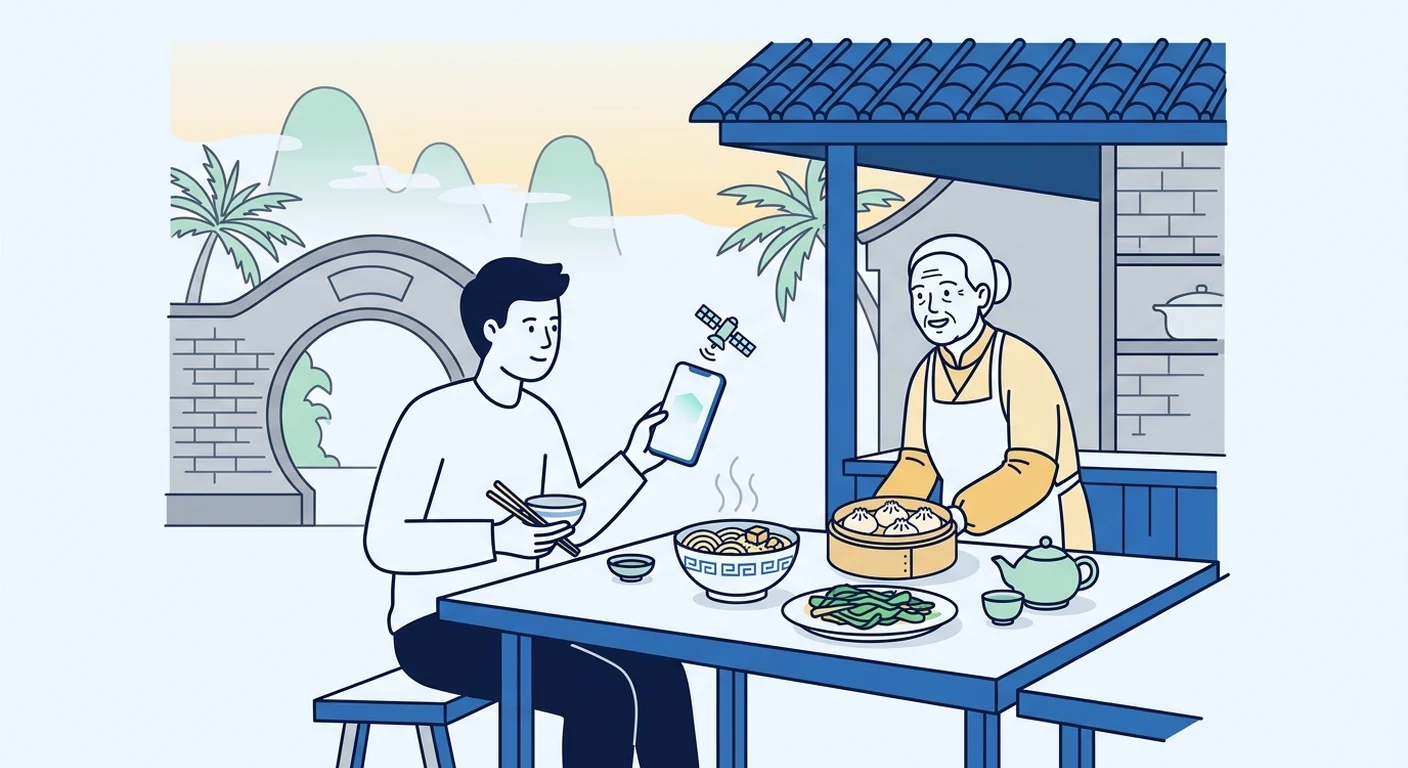
If you are travelling from Singapore to China, food will likely be one of the highlights of your trip. This guide helps you understand the range of Chinese cuisine, from iconic dishes to street snacks, and gives practical tips on dining customs, dietary communication, ordering and food-safety judgement. Whether you are in Beijing, Shanghai, Chengdu or a smaller city, knowing what to expect at different meal experiences will let you eat with confidence and enjoy the local flavours without guesswork.
Chinese Cuisine: More Than One Type of Food
Chinese cuisine is not a single style but a vast collection of regional cooking traditions. Many travellers find it helpful to think of the Eight Traditions, a classic way to group the major culinary styles of China. These include Cantonese, Sichuan, Hunan, Jiangsu, Zhejiang, Fujian, Anhui and Shandong cuisines, each with distinct ingredients, seasoning and cooking methods. For a Singaporean palate, some of these flavours will feel familiar, especially Cantonese dishes, while others such as the numbing spice of Sichuan may take a little getting used to. Rather than trying to learn every regional detail, focus on the dishes that appear on most menus, and ask locals or restaurant staff for recommendations based on your tolerance for spice and your preference for rice or noodles.
Iconic Dishes You Cannot Miss
Certain dishes are so widely associated with China that they appear on menus across the country, though each region may have its own version. Peking Duck (北京烤鸭) is a famous example, often served with thin pancakes, spring onions and sweet bean sauce. In a restaurant, a whole duck typically costs around 150-300 RMB (£15-30) per duck, and it is usually enough for two or three people. Xiaolongbao (小笼包), the steamed soup dumplings, are a must-try, especially in Shanghai. They are delicate, so pick them up gently with chopsticks, bite a small hole to let the soup cool, then enjoy. Hot pot (火锅) is another iconic experience where you cook raw ingredients in a simmering pot of broth at your table. Expect to pay around 80-150 RMB (£8-15) per person for a satisfying hot pot meal. For a lighter but flavourful option, Mapo Tofu (麻婆豆腐) is a classic Sichuan dish with soft tofu in a spicy, numbing sauce; a generous serving costs 15-25 RMB (£1.50-2.50) at most casual eateries. Dan Dan Noodles (担担面), also from Sichuan, are a spicy noodle dish with minced pork and peanuts, and a bowl usually costs 10-20 RMB (£1-2). These dishes give you a broad taste of China's culinary range without needing to order an entire banquet.
Dim Sum and Street Food: Two Different Meal Experiences
Dim Sum (a thousand bites of joy) is a Cantonese tradition of small plates served with tea, usually enjoyed in the morning or early afternoon. In Hong Kong or Guangzhou, you may see trolleys of steamed dumplings, buns and rice rolls, while in other cities you order from a menu. Dim sum is a leisurely meal, so allow at least an hour. Street food adventures are a different experience altogether, offering quick bites at stalls or small shops. You can find snacks like grilled skewers, savoury pancakes, fried dumplings and sweet pastries, with prices often around 5-15 RMB (50p-£1.50) per item. Street food is best enjoyed fresh and hot, and it is a great way to sample local specialities without committing to a full meal. However, choose stalls that are busy with locals, as high turnover usually means fresher ingredients.
Food Markets Worth Exploring
Visiting a food market is one of the best ways to understand what locals eat and to try a variety of dishes in one place. Huimin Street in Xi'an is a well-known Muslim quarter with a lively night market offering lamb skewers, flatbreads and other halal-friendly snacks. In Shanghai, Wujiang Road Snack Street is a convenient spot to sample multiple Shanghainese treats, from pan-fried buns to sweet rice balls. These markets are not just for tourists; locals also shop and eat there, so you can observe how dishes are prepared and ask vendors about unfamiliar ingredients. Keep in mind that market layouts and opening times vary by season and city, so it is wise to check locally or ask your hotel for current recommendations. A food market visit is also a good opportunity to practise your ordering skills in a casual setting before tackling a sit-down restaurant.
Dining Customs and Etiquette
Understanding a few dining customs can make your meals more pleasant and show respect to your hosts. When eating with a group, dishes are usually shared and placed in the centre of the table. It is polite to serve others before yourself, especially elders or guests of honour. Chopsticks should not be stuck vertically into a bowl of rice, as this resembles incense burning at funerals; rest them on a chopstick holder or the edge of your bowl instead. If you are unsure whether a dish is spicy, ask the waiter, or simply try a small portion first. In many restaurants, you will be given a pot of hot tea or boiled water for rinsing your utensils; this is a common practice, not a sign of poor hygiene. Tipping is not customary in most Chinese restaurants, except in upscale places that may add a service charge. Also, it is polite to wait for the host to start eating before you begin, and to use the serving chopsticks provided for shared dishes if available.
Dietary Communication and Food-Safety Judgement
If you have dietary restrictions or allergies, communicating them clearly is essential. Many Chinese dishes contain soy sauce, wheat, peanuts or shellfish, so if you have allergies, it is safer to write a note in Chinese explaining your needs, or use a translation app. For example, you can say "no peanuts" (不要花生, bù yào huāshēng) or "no prawns" (不要虾, bù yào xiā). If you are vegetarian, be aware that many vegetable dishes are cooked with meat stock or lard, so ask for a vegetarian version (素食, sùshí). When ordering, point to menu photos if you are unsure, and do not be afraid to ask how spicy a dish is. As for food-safety judgement, a simple rule is to eat where you see a steady flow of local customers. Avoid raw or undercooked items unless you are confident in the source, and drink bottled or boiled water. If you have a sensitive stomach, start with well-cooked dishes and gradually try street food. Finally, remember that a travel eSIM from a provider like TPG Mobile can help you stay connected while you search for restaurant reviews, translate menu items or check opening hours, but it does not affect your dining choices. The key is to observe, ask and enjoy.