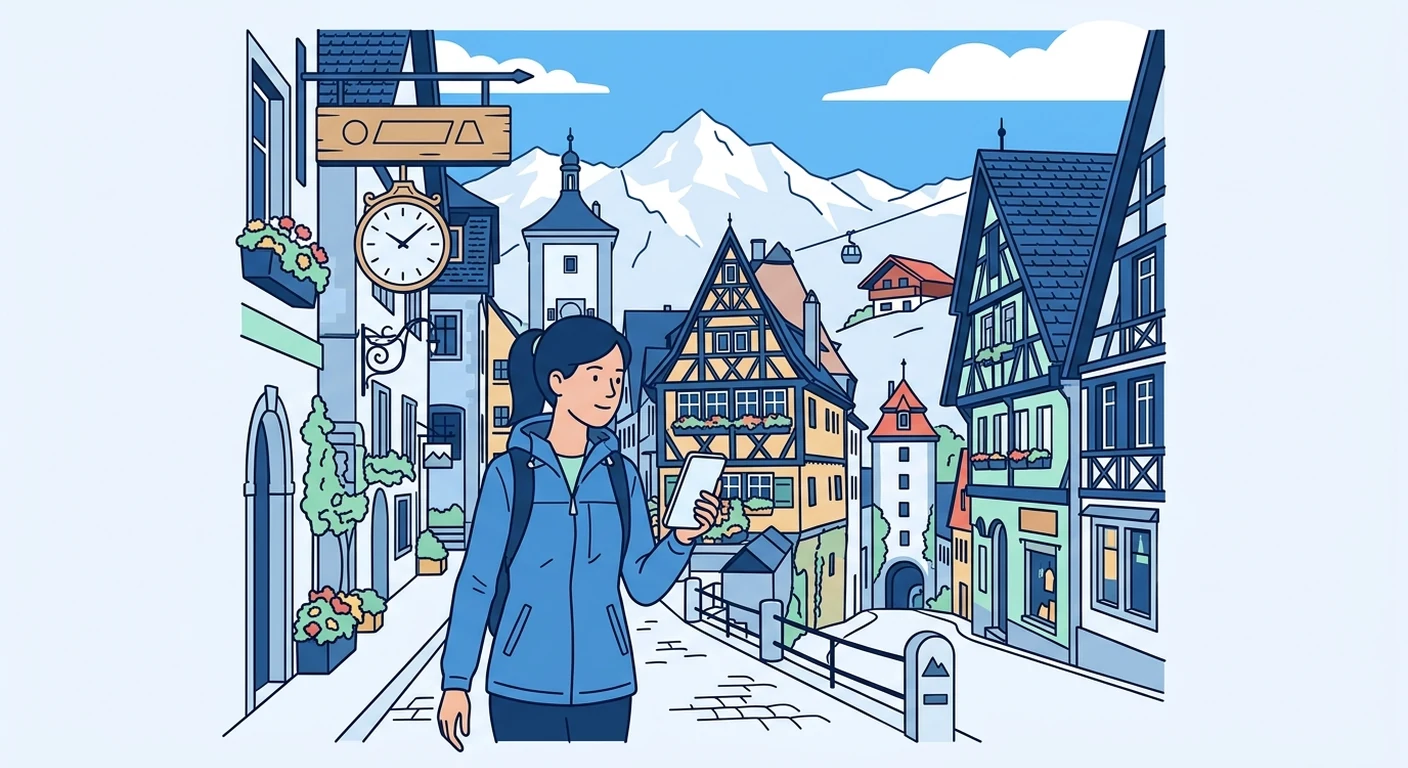
Planning a Switzerland itinerary from Singapore starts with grouping attractions by region, not by individual sights. The country is compact but mountainous, so travel times between regions can be longer than the map suggests. A practical sequence is to base yourself in three or four hubs - such as Zurich, Lucerne, Interlaken and Geneva - and use each as a launchpad for the sights nearby. This approach reduces backtracking, keeps your days efficient, and lets you spend more time enjoying the Alps rather than sitting in a train. For a first trip, prioritise the classic combination of Lucerne’s lakeside old town, the Jungfrau region around Interlaken, and a scenic train ride such as the GoldenPass or Bernina Express. That mix gives you culture, nature and memorable journeys without feeling rushed.
Understand the main attraction regions before you choose
Switzerland’s attractions cluster into distinct areas, and knowing them helps you plan a logical route. The Swiss Plateau, where Zurich, Bern and Geneva sit, is home to historic cities and cultural treasures. The Alps, stretching across the central and southern parts of the country, hold iconic natural wonders such as the Eiger, the Matterhorn and the Aletsch Glacier. The lake regions - Lake Geneva, Lake Lucerne and Lake Zurich - combine water views with charming towns. By dividing your trip into these zones, you can decide how many nights to spend in each and which attractions are realistic on your timeline. For example, if you have only five days, you might focus on the central region around Lucerne and Interlaken, leaving Geneva and the far west for another trip.
Group Lucerne and central Switzerland for a cultural and natural mix
Lucerne works well as a first base because it offers both a compact historic centre and easy access to the mountains. The Chapel Bridge, the Lion Monument and the old town walls are all within walking distance, making them ideal for a half-day stroll. From Lucerne, you can take a boat trip on Lake Lucerne or ride the cogwheel railway up Mount Pilatus or Rigi for sweeping Alpine views. These day trips are well signposted and run frequently, but check the operating season, because some mountain railways close for maintenance in spring or autumn. For a practical sequence, spend your first afternoon exploring the old town, then dedicate a full day to one mountain excursion. This grouping keeps your energy levels steady and avoids the feeling of rushing between sights.
Base yourself in Interlaken to reach the iconic Alpine wonders
Interlaken is the most practical hub for the Jungfrau region, but it is not the only option. Many travellers use Interlaken as a base because it sits between two lakes and has good train connections, yet staying in a smaller village like Grindelwald or Lauterbrunnen can put you closer to the trails and the Eiger’s north face. From any of these bases, you can take the train to Jungfraujoch - the Top of Europe - which requires a booking and a valid ticket for the entire journey. The ride itself is part of the experience, passing through stations carved into the rock. For a less crowded alternative, consider the cable car to Grindelwald First, where you can walk on the Cliff Walk or try the zipline. If you are short on time, choose one major summit and one lower-altitude activity, because the high-altitude excursions can be affected by weather and queues. The weather in the Alps can change quickly, so keep a flexible day in your plan for clear conditions.
Add a scenic train journey for the classic Swiss experience
A scenic train journey is a must-try experience, and it can double as transport between regions. The GoldenPass line connects Montreux to Interlaken, passing through vineyards, lakes and mountain passes, while the Bernina Express runs from Chur to Tirano in Italy, crossing the highest railway pass in Europe. Both trains have panoramic windows and are popular, so book seats in advance, especially in summer. If you prefer a shorter ride, the Glacier Express between Zermatt and St. Moritz takes about eight hours and is best treated as a full-day experience rather than a transfer. For a practical itinerary, choose one scenic route that aligns with your overall direction of travel. For example, if you are heading from Geneva to Interlaken, the GoldenPass leg from Montreux to Zweisimmen fits neatly into your journey.
Plan for bookings, transport passes and weather before you go
Before leaving Singapore, sort out your transport passes and any time-specific bookings. The Swiss Travel Pass offers unlimited travel on most trains, buses and boats, and it covers many mountain railways at a discount, but it is not always the cheapest option if you are making just a few long journeys. Compare the pass with point-to-point tickets, especially if you are staying in one region. For high-altitude attractions like Jungfraujoch, book your tickets online a few days ahead to secure a time slot and avoid disappointment. Mountain weather is unpredictable, so check the forecast on the official sites and have a backup plan for rainy days, such as visiting a museum in Zurich or Bern. Also, keep your mobile data ready for navigation and booking changes - an eSIM from a provider like TPG Mobile can help you stay connected without roaming charges, but ensure your phone supports eSIM before you travel.
Choose a realistic priority for a short first visit
If you have only a week in Switzerland, prioritise the Jungfrau region and Lucerne over a multi-city tour. This combination gives you the iconic natural wonders of the Eiger and the Jungfrau, plus the historic charm of Lucerne’s old town, and it allows you to travel by train between the two hubs in about two hours. For example, spend three nights in Lucerne, then move to Interlaken or Grindelwald for three nights. Use one day for a mountain excursion, one for a scenic train ride, and one for a relaxed village walk. This leaves room for weather delays and spontaneous stops. If you are an active traveller, add a short hike around the Schynige Platte or along the Lauterbrunnen Valley, but if you prefer a more leisurely pace, a boat cruise on Lake Brienz or a chocolate tasting in a local shop can fill the same slot without requiring a full day.
Staying connected while you travel
Having reliable mobile data while you travel makes it easier to check train times, translate menus and navigate the cobblestone streets of old towns. Instead of relying on hotel Wi-Fi or paying international roaming charges, you can use a travel eSIM from a storefront like TPG Mobile, which is designed for Singapore-based travellers. You install the eSIM before you leave, and it activates when you arrive in Switzerland, so you do not need to hunt for a local SIM. Keep your usual Singapore SIM in the phone for calls and messages, and switch the data line to the eSIM for connectivity. Just remember to check that your phone is unlocked and supports eSIM, and review the data allowance you have purchased to match your usage - navigation, messaging and photo uploads can add up quickly on a long trip.
A realistic prioritisation for a first-time visitor
If you are unsure what to prioritise, start with the Jungfrau region and Lucerne, because they deliver the postcard views that most visitors come for. For a seven-day trip, spend the first two nights in Lucerne, then move to Interlaken for three nights, and finish with a scenic train ride to Montreux or Zermatt. This sequence lets you see the iconic natural wonders, enjoy a historic city, and experience a scenic railway without overloading your schedule. You will not see every corner of Switzerland, but you will leave with a strong sense of its landscapes and culture. If you have extra days, add a day in Zurich for museums or a day in Geneva for the lakeside promenade and the Jet d’Eau. Keep your plans flexible, check the local forecasts, and book the high-demand experiences ahead of time so your trip runs smoothly.
