Packing for Australia from Singapore means planning for a climate that is often the opposite of home, with regional extremes from tropical Queensland to chilly Tasmania. Your suitcase should reflect your itinerary, the season, and the activities you have planned, while also covering practical needs like power adapters and staying connected on arrival. This guide explains what to bring and why, so you can travel light without leaving behind something essential.
Clothing and Sun Protection Australia
Australia’s sun is intense, even on overcast days, and UV levels can be extreme, especially between late spring and early autumn. Pack lightweight, long-sleeved shirts, a wide-brimmed hat, and sunglasses with UV400 protection. These items shield your skin and eyes more effectively than sunscreen alone, and they are comfortable in both humid coastal areas and dry inland regions. For cooler southern cities like Melbourne or Hobart, add a warm layer such as a fleece or light jacket, as evenings can turn chilly even in summer. If you are heading to the Great Barrier Reef or the Outback, quick-dry clothing and a swimsuit are essential, but always check local advice on reef-safe sunscreen and stinger suits for tropical waters.
Essential Documents and Adapters
Your passport, visa (if required), and travel insurance documents are the first things to secure, but do not forget to check that your mobile phone is unlocked and ready for an eSIM. Australia uses the same flat three-pin plugs as Singapore, so you will not need a physical adapter, but a universal travel adapter is still handy for charging multiple devices or if you are passing through other countries. Keep printed or digital copies of your itinerary, accommodation bookings, and emergency contacts in a separate folder or cloud drive. For connectivity, consider setting up a travel eSIM from a provider like TPG Mobile before you depart, so you have data on arrival without hunting for a local SIM. This is especially useful for navigating from the airport to your hotel or looking up transport schedules on the go.
Health and Safety Essentials
Australia has high-quality medical facilities, but you should still carry a basic kit with plasters, antiseptic wipes, pain relief, and any prescription medicines in their original packaging. If you plan to hike or drive through remote areas, pack extra water, a hat, and a basic first-aid kit, and let someone know your route. Insect repellent is important in tropical regions like northern Queensland, where mosquitoes can carry viruses, and also in some coastal areas at dusk. Sunscreen is non-negotiable, but buy it locally if you prefer to save luggage space; Australian standards are among the strictest in the world. For peace of mind, keep your travel insurance details on your phone, and remember that emergency numbers in Australia are 000 for police, fire, or ambulance.
Practical Gear and Packing Tips
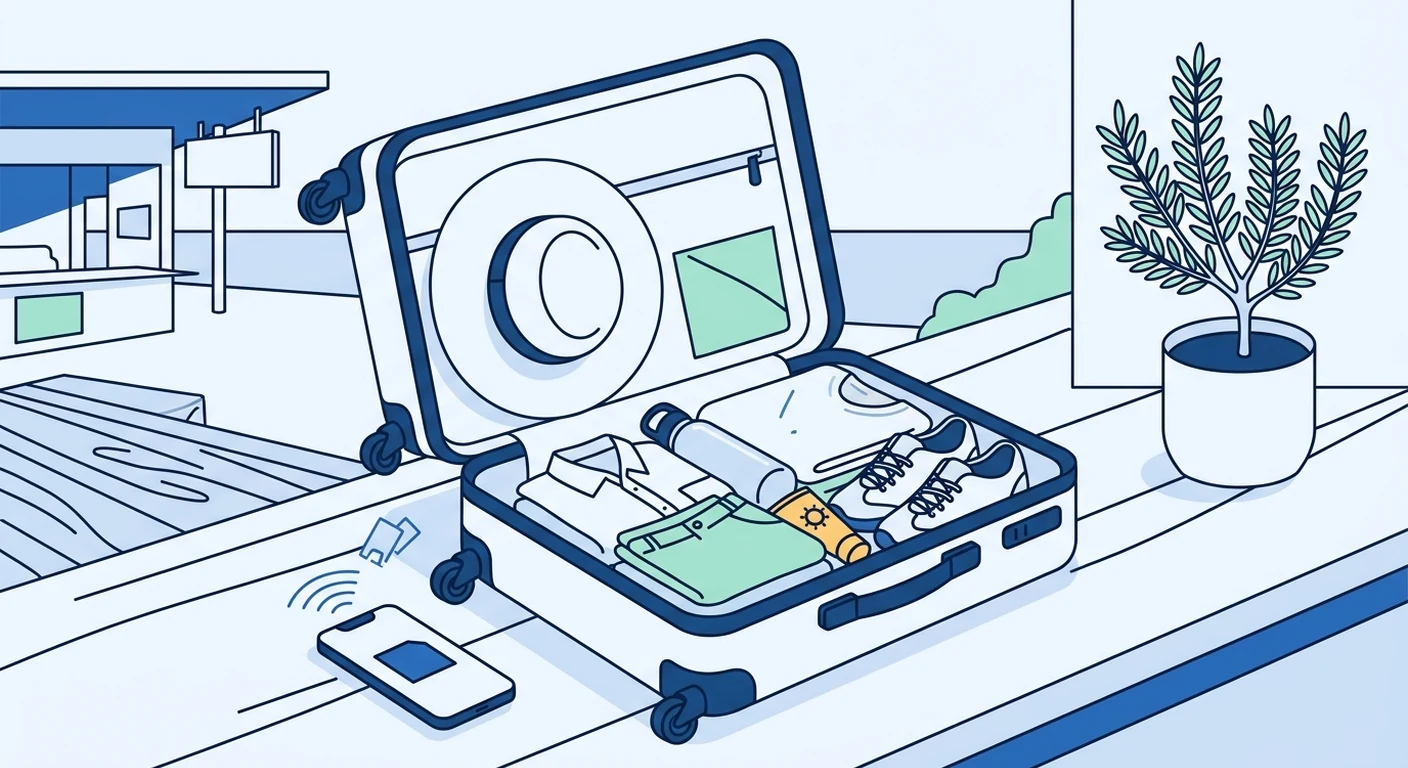
Choose a suitcase or backpack that suits your trip style: a wheeled case for city breaks, a sturdy daypack for day trips, and a duffel or backpack if you plan to move between regions. Roll your clothes to save space and reduce wrinkles, and use packing cubes to keep items organised. A reusable water bottle is useful because tap water is safe to drink in most cities, and it cuts down on plastic waste. For beach days, pack a dry bag to protect your phone, wallet, and eSIM-enabled device from sand and water. A power bank is a wise addition, especially if you rely on your phone for maps, tickets, and photos; long days of exploring can drain a battery quickly. Finally, leave room for souvenirs, but do not overpack - you can buy almost anything in Australia, from sunscreen to clothing, if you forget something.
Mobile Connectivity and Charging
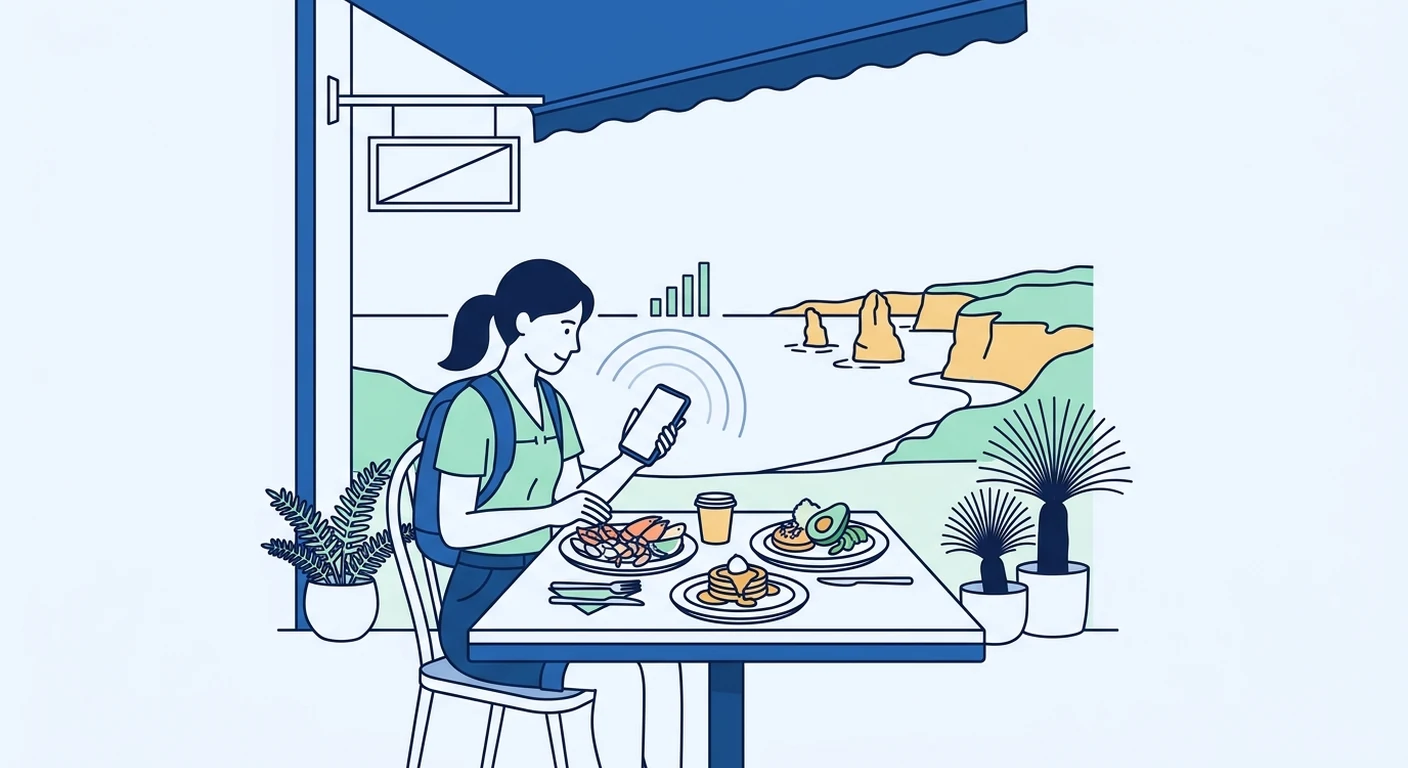
Staying connected in Australia is straightforward, but roaming charges from Singapore can be steep, so a travel eSIM is a cost-effective alternative. TPG Mobile offers data-only eSIM plans for travellers, and you can install one before you leave Singapore, then activate it on arrival. This means you have immediate access to maps, ride-hailing apps, and translation tools without needing to find a Wi-Fi hotspot or buy a physical SIM at the airport. Check your phone’s compatibility with eSIM technology - most recent models support it - and follow the setup instructions from your provider. For charging, Australia uses 230V outlets, the same as Singapore, so your existing chargers will work, but a multi-port USB charger lets you charge your phone, power bank, and camera at once. If you are travelling to remote areas like the Outback, download offline maps and important documents before you leave, as signal can be patchy.
Seasonal and Regional Variations
Australia is vast, and the weather can vary dramatically depending on where you are and when you travel. If you are visiting Sydney or the east coast in summer (December to February), pack light clothing, swimwear, and a light jacket for sudden storms. For a winter trip to Tasmania or the alpine regions (June to August), you will need a warm coat, thermal layers, and perhaps gloves and a beanie. In the Outback, temperatures can swing from hot days to cold nights, so a fleece or jumper is essential year-round, and sturdy footwear is a must for rocky terrain. If you are heading to the Great Barrier Reef, remember that the water is warm in summer, but a reef-safe sunscreen and a rash guard are recommended to protect both your skin and the coral. Always check the forecast for your specific destinations before you pack, and adjust your list accordingly - this is more reliable than a generic checklist and ensures you are prepared for the conditions you will actually face.