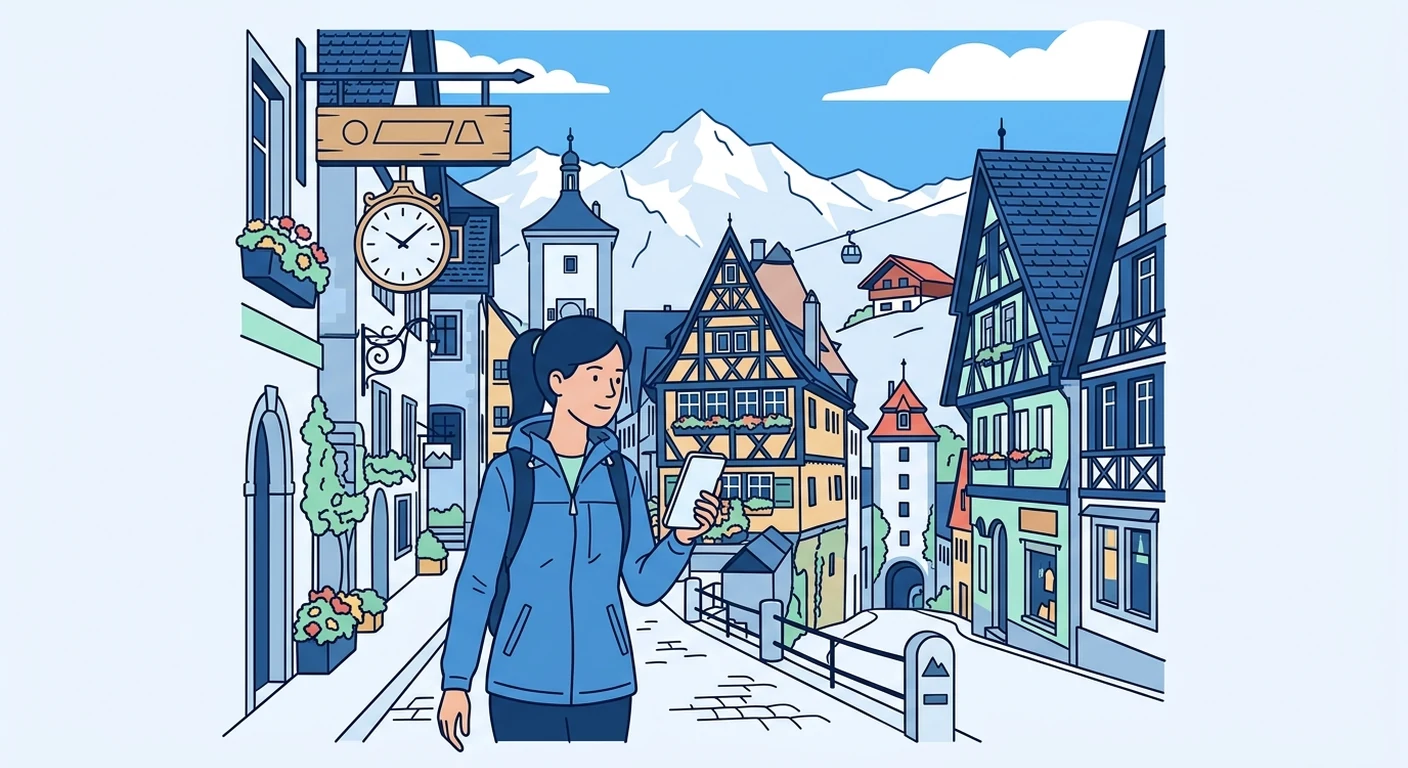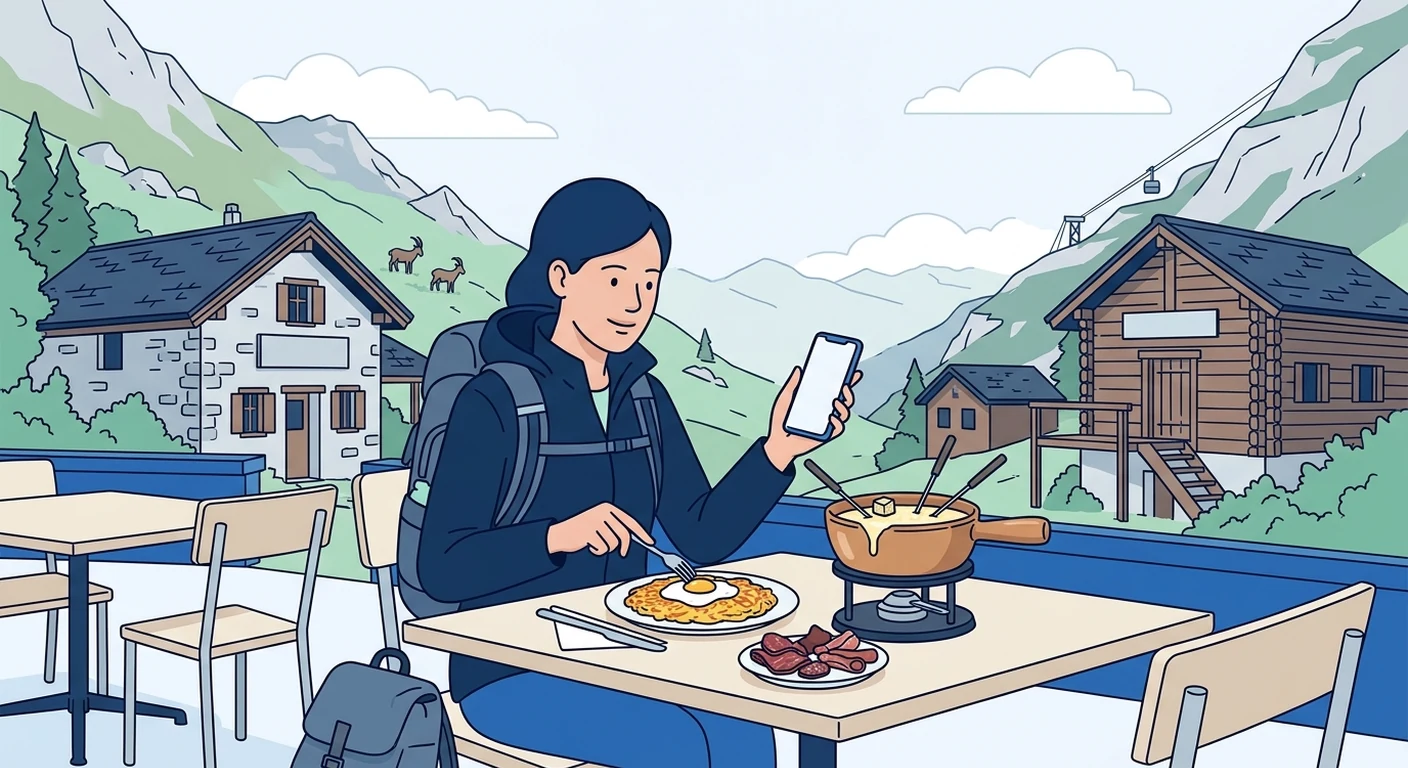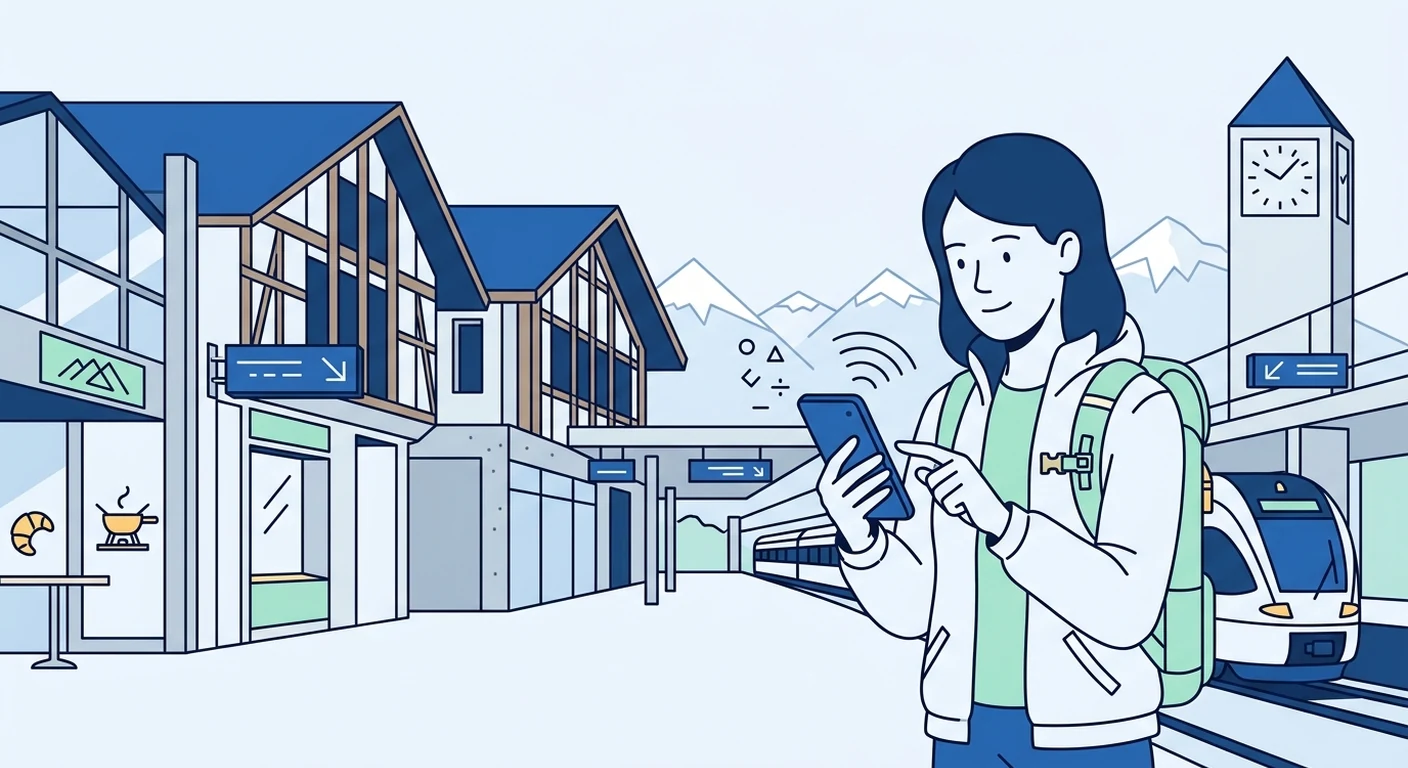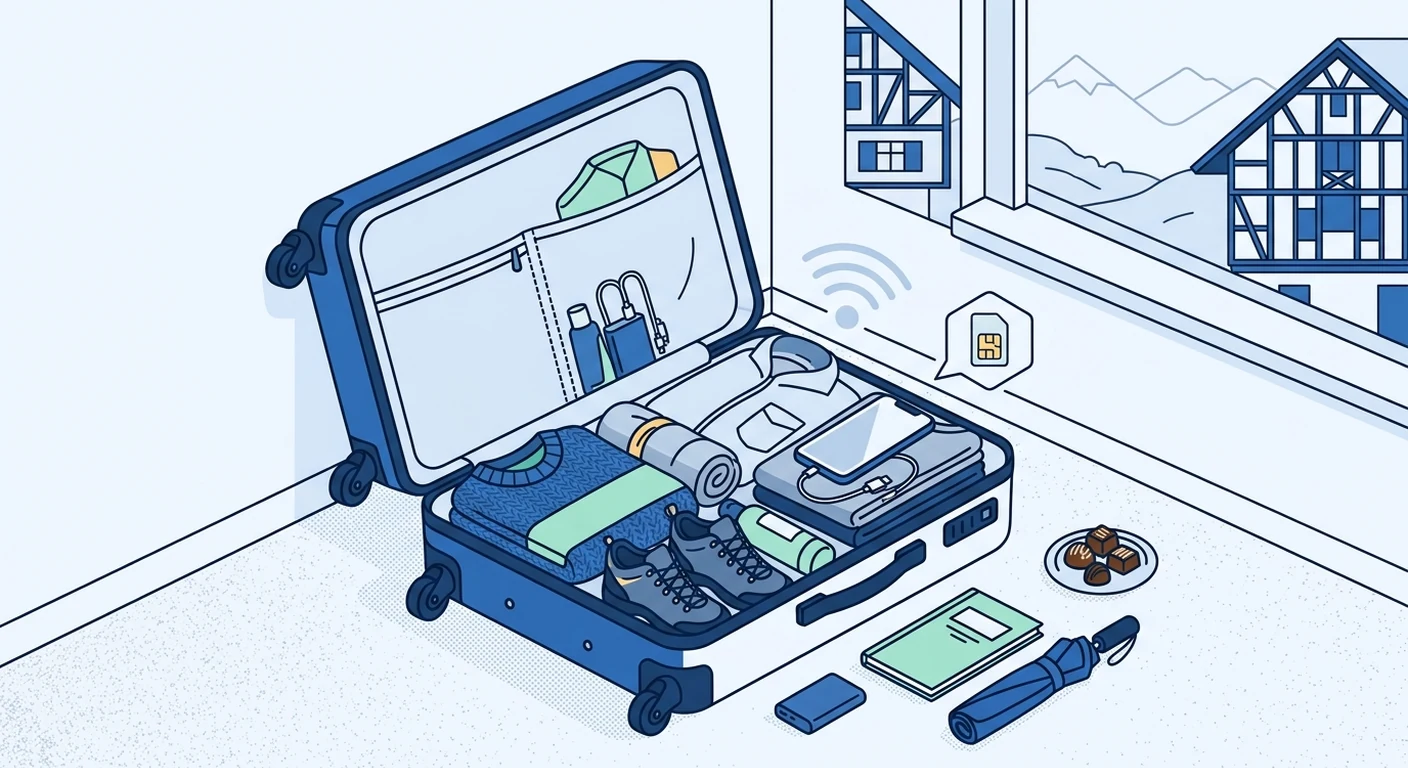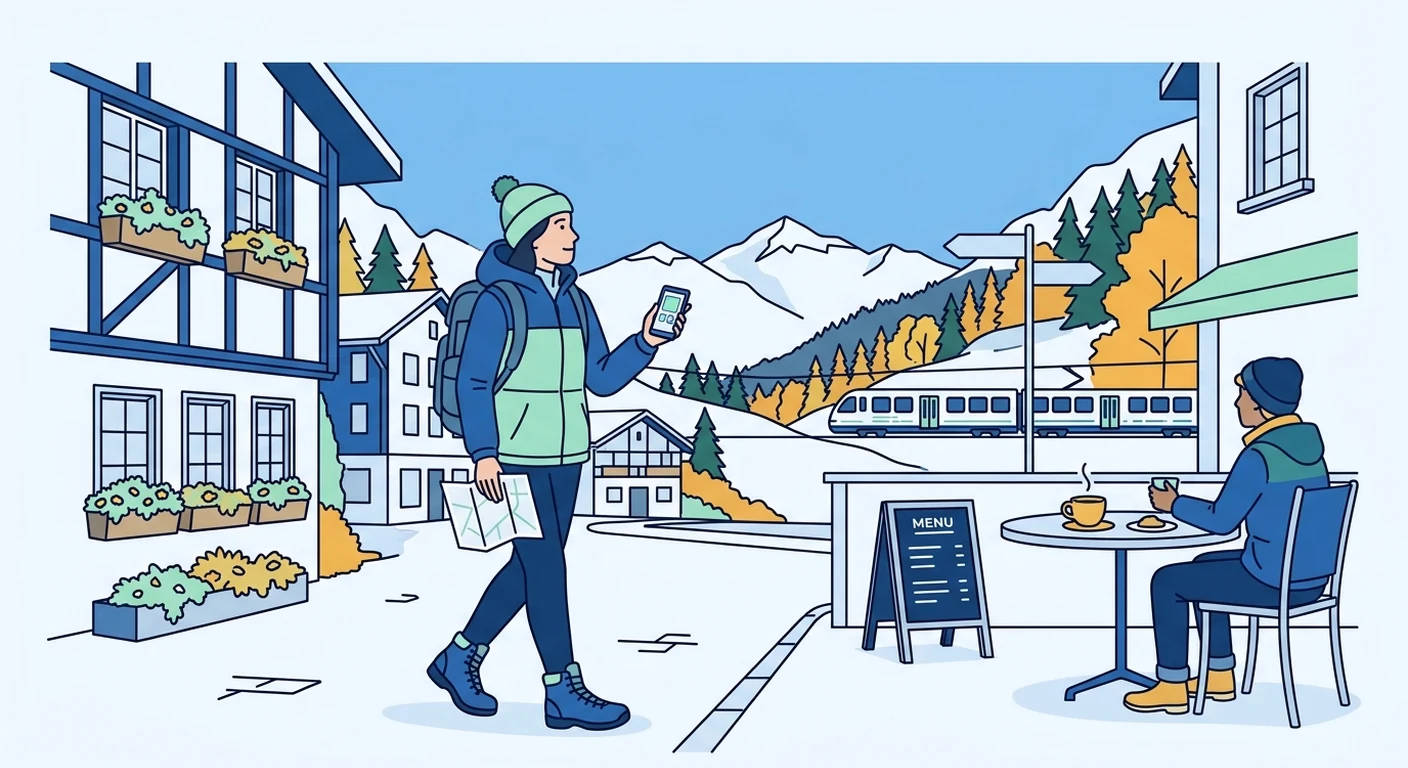
For Singapore-based travellers, the best time to visit Switzerland depends on what you want from your trip: winter (December to February) is ideal for snow sports and festive charm, spring (March to May) offers milder weather and fewer crowds, summer (June to August) brings the most reliable conditions for hiking and sightseeing, and autumn (September to November) delivers crisp air and colourful foliage. Each season has distinct trade-offs in terms of weather, daylight and visitor numbers, and the experience also varies significantly between the Alpine regions and the lower-lying cities. This guide breaks down the seasonal patterns so you can choose the time that fits your holiday style, budget and tolerance for cold or crowds.
Winter in Switzerland: December to February
Winter is the peak season for Alpine resorts such as Zermatt, Verbier and St Moritz, where reliable snow cover typically supports skiing, snowboarding and other snow activities. December is particularly atmospheric, with Christmas markets in cities like Zurich and Geneva, while January and February tend to offer the most consistent snow conditions at higher altitudes. However, daylight is limited in winter, with shorter days that can affect how many hours you can spend outdoors. Expect higher prices for accommodation and lift passes during the peak holiday periods, especially around Christmas and New Year. If you are not keen on snow sports, you might find the colder temperatures and icy pavements a challenge, but the scenery is undeniably dramatic.
Spring in Switzerland: March to May
Spring is a transitional season, with March still feeling wintry in the mountains while lower regions begin to thaw. By April and May, the valleys start to green up, and temperatures become more comfortable for exploring cities like Bern or Lucerne. Crowds are thinner than in summer, and you may find better deals on flights and hotels. However, the weather can be unpredictable, with rain at lower elevations and lingering snow at high altitudes. Some mountain passes and cable cars may still be closed, so check what is open if you plan to visit the Alps. For a balance of mild weather and fewer tourists, late spring is often a good compromise, though you should pack layers and a rain jacket.
Summer in Switzerland: June to August
Summer is the most popular time for outdoor activities, with long daylight hours and generally warm temperatures, especially in the valleys and around lakes such as Lake Geneva and Lake Lucerne. This is the prime season for hiking, cycling and scenic train journeys, and many Alpine passes and trails are fully accessible. The trade-off is larger crowds at major attractions, higher prices for accommodation and transport, and the need to book ahead, especially in popular resorts like Interlaken or Zermatt. July and August are the warmest months, but occasional thunderstorms can occur, particularly in the mountains. If you want reliable weather for sightseeing and outdoor adventures, summer is your safest bet, but be prepared for a busy experience.
Autumn in Switzerland: September to November
Autumn brings cooler temperatures and fewer crowds, making it a pleasant time for city breaks and lower-altitude walks. September often has pleasant weather and still decent daylight, while October and November become progressively cooler and rainier. The changing leaves create beautiful scenery, especially in the vineyards of the Lavaux region or the forests around the Alps. Many summer-only facilities begin to close from late September, so check what is available if you travel in October or November. This season is a good choice if you prefer a quieter, more relaxed experience and want to avoid the peak-season prices. However, the weather is more variable, and you might encounter fog in the lowlands or early snow in the mountains.
Regional Variations and Planning Considerations
Understanding Switzerland's geography is key to picking the best time to visit. The Alps dominate the south and east, where winter sports are the main draw and summer is short but ideal for high-altitude trekking. The Swiss Plateau, including cities like Zurich, Basel and Bern, has a milder climate with more moderate temperatures, while the southern canton of Ticino, near the Italian border, enjoys a Mediterranean influence with warmer winters and hot summers. These regional differences mean that the same month can feel very different depending on where you go. When planning, consider your itinerary and what you intend to do. If you are combining cities and mountains, you may need to adapt your packing and expectations. For connectivity during your trip, a travel eSIM from a provider like TPG Mobile can help you stay online for maps, bookings and sharing photos, so you can compare transport schedules or find a restaurant without hunting for Wi-Fi.
Making the Most of Your Swiss Trip
Regardless of the season, a few practical tips can enhance your visit. Switzerland has an efficient public transport network, including trains, boats and cable cars, so you can often rely on it rather than driving. Accommodation and lift tickets are generally cheaper outside the peak winter and summer periods, so shoulder seasons like May or September offer value if you are flexible. Daylight hours vary significantly: in winter, expect about eight to nine hours of daylight, while summer can give you up to 16 hours, so plan your outdoor activities accordingly. Always check the local weather forecast and be prepared for sudden changes, especially in the mountains. With sensible planning, you can enjoy Switzerland's landscapes and culture in any season, and having reliable mobile data will make your journey smoother, whether you are navigating Alpine trails or finding a restaurant in a city.