Packing for Germany from Singapore means preparing for a wider range of temperatures and weather than you are used to at home. Your plan should balance layers for unpredictable skies, sensible footwear for cities and trails, and a connectivity setup that keeps you online from the moment you land. This guide walks through what to bring and why, with a focus on climate, local habits, and staying charged while travelling.
Understanding Germany's Climate and How It Shapes Your Packing
Germany's weather is temperate, but it can change quickly depending on the season and region. Summers from June to August are generally mild, with highs often between 20°C and 25°C, though occasional hot days can push higher. Winters from December to February are cold, frequently below freezing, especially in Bavaria's Alpine south. Spring and autumn are transitional and often windy or rainy. Because you are travelling from Singapore's tropical heat, your body will feel the difference more acutely, so pack clothes that allow you to add or remove layers easily rather than relying on one heavy item. This approach works whether you are exploring Munich's beer gardens in July or walking the Rhine Valley in October.
Clothing and Footwear Essentials for Cities and Countryside
Your clothing choices should reflect both the urban and rural sides of Germany. In cities like Berlin, casual, dark-coloured clothing is common, and you will fit in with simple jeans, t-shirts, and a light jacket. For the countryside, especially in the Alps or along the Rhine, you need more specialised items: a waterproof shell, sturdy walking shoes, and a warm mid-layer even in summer, because mountain weather can turn cool quickly. Footwear matters more than most travellers expect. Comfortable, broken-in shoes are essential because you will walk a lot on cobblestones, pavements, and uneven trails. Pack one pair of versatile walking shoes and one pair of slightly smarter shoes for evenings; this avoids overpacking while covering most situations. A compact umbrella and a packable rain jacket are worth their weight, as sudden showers happen in any season.
Documents, Adapters, and Connectivity for a Smooth Arrival
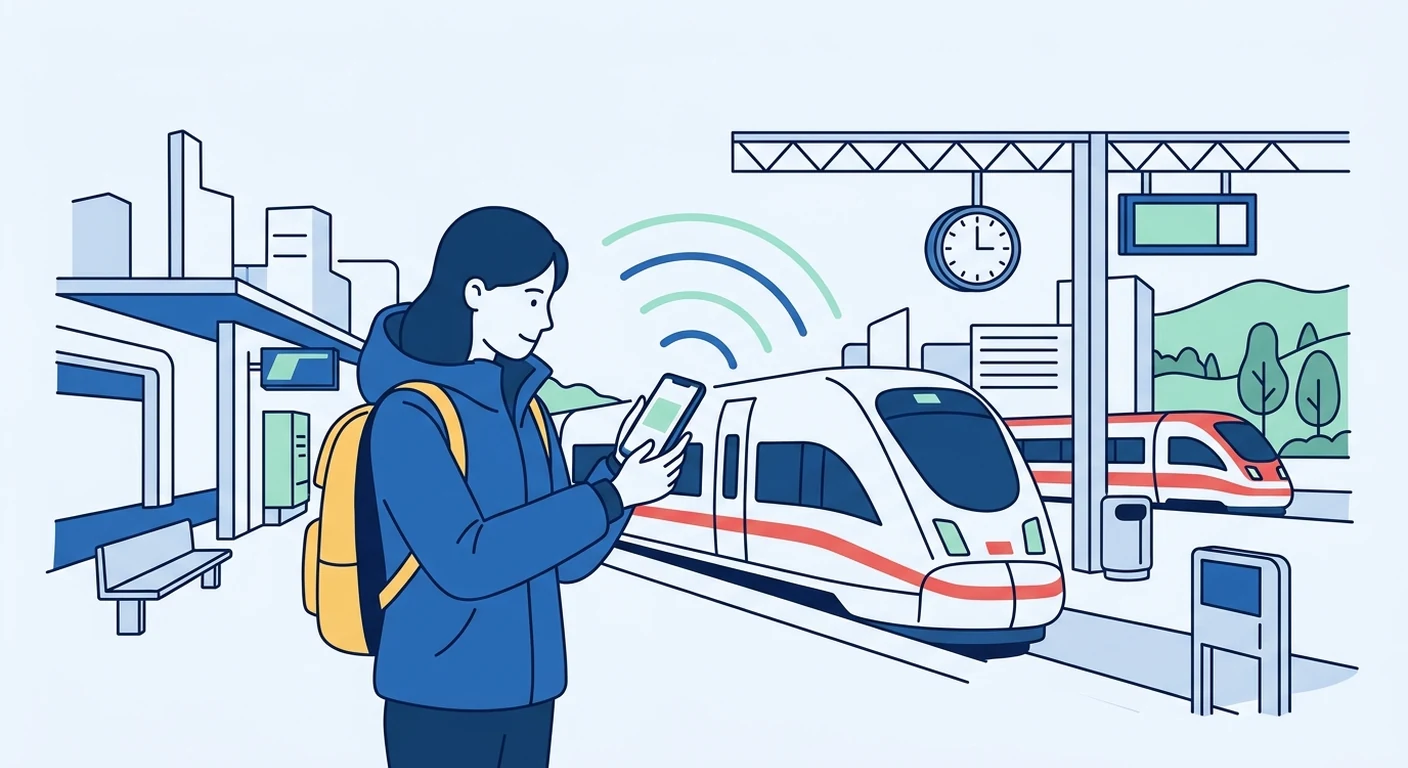
Before you leave Singapore, sort out your documents and power needs. Your passport must be valid for at least six months beyond your stay, and while Singaporeans can enter Germany visa-free for short visits, always check current entry rules before flying. For charging, Germany uses the Europlug (Type C and F) with a 230V supply, so bring a universal adapter if your devices use Singapore's three-pin plug. For connectivity, consider a travel eSIM from a provider like TPG Mobile, which you can set up before departure. This lets you activate a data plan while still in Singapore, so you have mobile data as soon as you land, without relying on airport Wi-Fi or hunting for a local SIM. Keep your usual Singapore SIM in your phone for calls and messages, and switch data to the eSIM for overseas use. This avoids expensive roaming charges and gives you immediate access to maps, translation, and booking confirmations.
Health, Toiletries, and Practical Items for German Travel
Your health and comfort kit should be compact but cover essentials that may be harder to find or more expensive locally. Pack any prescription medicines in your carry-on, with a copy of the prescription, as German pharmacies may not stock the same brands. Over-the-counter basics like pain relievers, plasters, and rehydration salts are useful, especially if you plan to drink beer or wine at festivals. For toiletries, remember that many German accommodations, especially smaller guesthouses, do not provide items like toothpaste or moisturiser, so bring your own travel sizes. A small first-aid kit with blister plasters is practical for long walking days. Other useful items include a reusable water bottle (tap water is safe in Germany), a daypack for excursions, and a small lock for hostel lockers or train luggage. If you are visiting in winter, add lip balm and hand cream, as cold air can dry your skin quickly.
Smart Packing Tips for German Travel
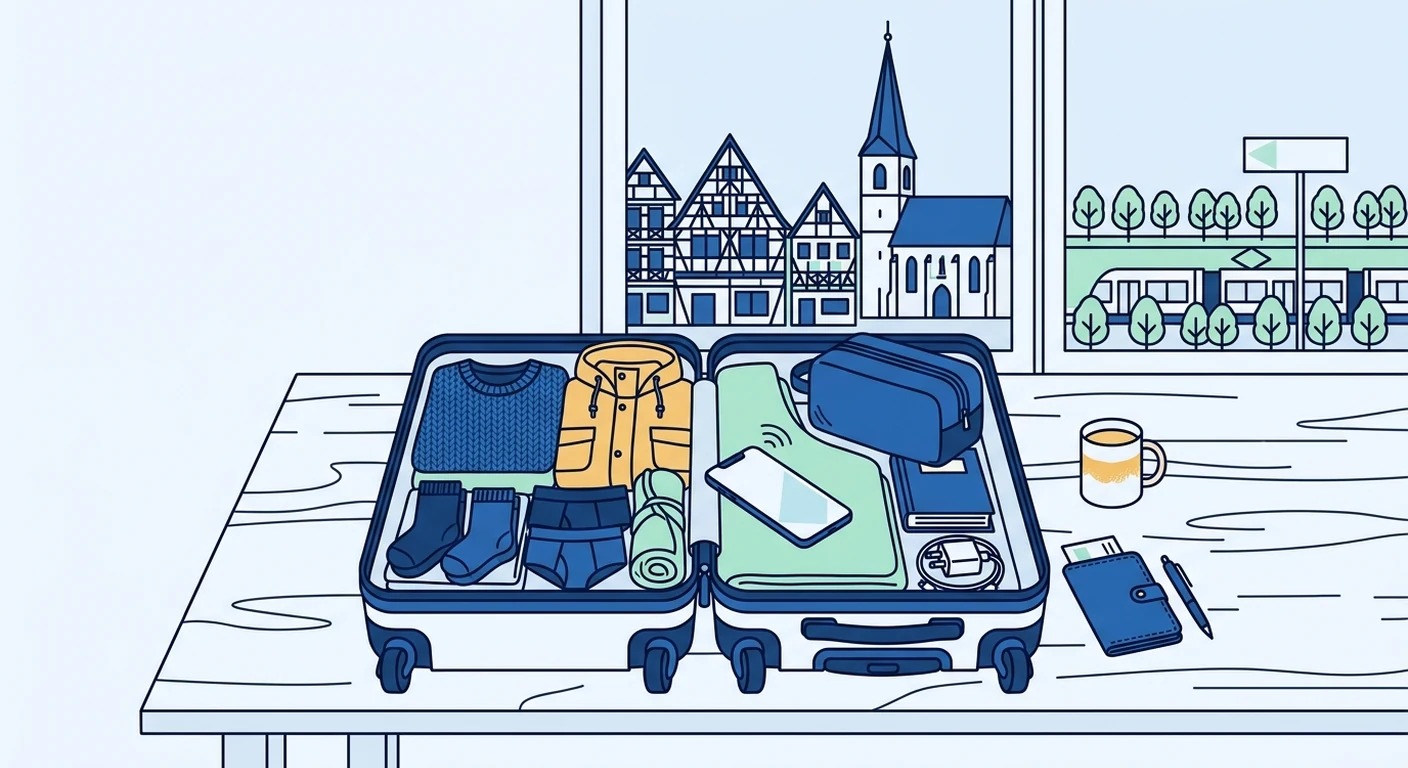
Packing efficiently for Germany is about reducing bulk while staying prepared. Use packing cubes to organise clothes by type or outfit, which helps when you move between cities. Roll clothes rather than folding them to save space and reduce wrinkles. For a week-long trip, plan to do laundry once, so you can pack about five to seven outfits instead of one for every day. This is particularly useful if you are combining city stops like Berlin and Munich with a countryside visit to the Alps. Choose versatile pieces in neutral colours that can be mixed and matched, and avoid bringing heavy coats for summer travel; a layered system with a fleece and a waterproof shell works better. Remember that German trains and stations often involve stairs, so a wheeled bag with four wheels and a comfortable backpack are easier than a large duffel. Finally, leave room in your luggage for souvenirs, such as Christmas market items in December or local wines from the Rhine Valley, so you are not stuck paying for extra baggage on the way home.
Staying Connected and Charged on the Go
Beyond your initial setup, think about daily charging and data use while you are in Germany. Carry a power bank, especially on day trips to places like Neuschwanstein Castle or the Rhine Valley, where you may be out for hours without access to a plug. For your eSIM, monitor your data usage through the settings on your phone, and download offline maps for the cities you plan to visit. This saves data and works even in areas with weak signal. If you are travelling for longer than a week, consider a plan with more data, as you will likely use navigation, social media, and video calls more than expected. Many cafes, hotels, and train stations offer free Wi-Fi, but having your own data plan is more reliable, especially in rural areas. Keep your phone's battery settings optimised, such as lowering screen brightness and closing background apps, to make your data and battery last from morning to night. With the right preparation, you can focus on enjoying Germany's history, scenery, and food without worrying about being offline or running out of power.