Practical eSIM knowledge
Independent setup, troubleshooting, security, data-planning and travel guidance from TPG Mobile.
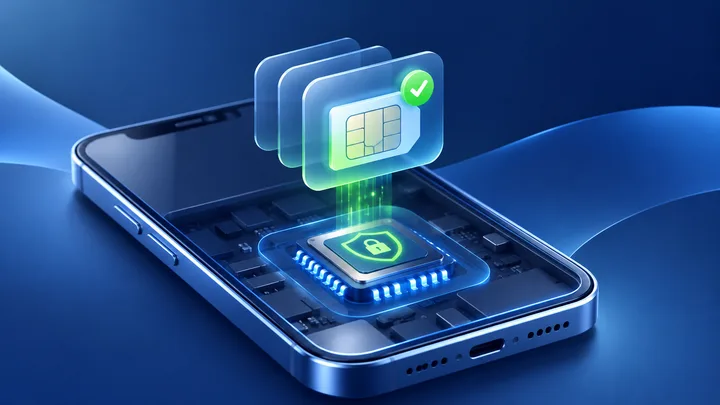
What Is an eUICC and How Is It Different From an eSIM
An eUICC is the secure place that can hold and manage carrier profiles. eSIM is the wider name people use for the digital SIM system and service built around it.
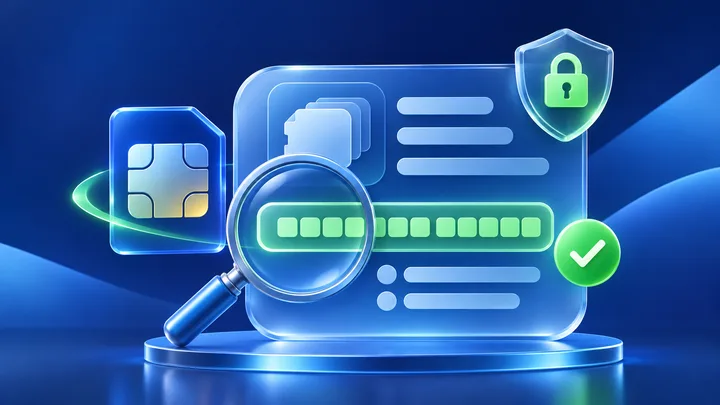
What an ICCID Tells You About an eSIM Profile
An ICCID is the serial number for a SIM or an eSIM profile. It can help a provider find the right profile, but it is not a summary of the travel plan.
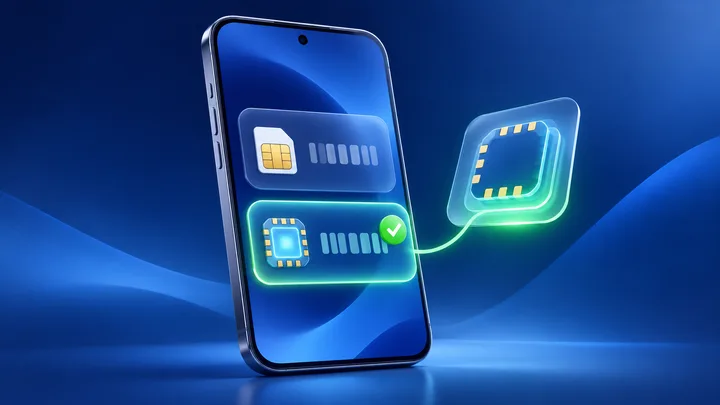
What IMEI 2 Is Used for During eSIM Setup
IMEI 2 identifies a second mobile equipment path on many dual-SIM phones. A carrier may use it when setting up an eSIM, but it is not the eSIM profile number.
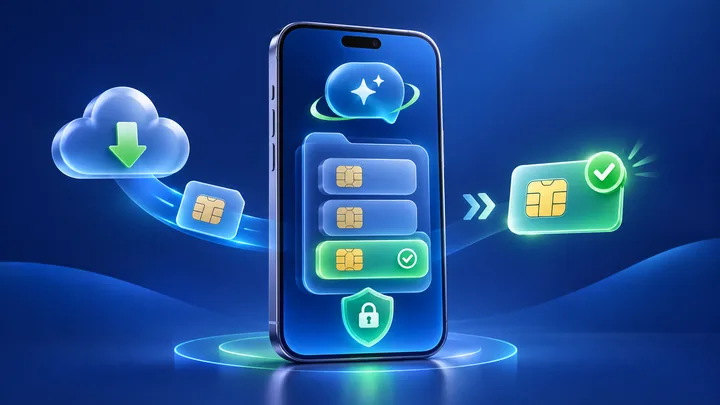
What the Local Profile Assistant Does on Your Phone
The Local Profile Assistant is the trusted manager for eSIM profiles on a consumer device. It connects the phone's setup screens, the carrier's profile server, and the secure eUICC.

How to Calculate Travel Data for Maps and Messaging Only
There is no honest fixed rate for maps and messages. Route type, cached maps, photos, voice notes, calls, and background sync all change the total. A short phone-counter test gives a better answer than a generic chart.

How to Calculate Travel Data for a Streaming-Heavy Trip
Streaming quality can move a trip budget from a few gigabytes to dozens. Set the quality first, multiply its hourly rate by real viewing time, measure apps without a published rate, and keep hotspot screens in their own row.

How to Calculate Travel Data for a Week of Remote Work
A remote-work plan must cover more than video calls. Count meetings, cloud files, web tools, VPN traffic, laptop background work, and personal travel use as separate rows. Then test a real work block before choosing an allowance.

How to Calculate Travel Data for Daily Video Calls
A video call does not have one fixed data rate. Test the app in the same call mode you will use abroad, separate camera time from audio-only time, and multiply the measured rate by the real schedule.

What to Do With Your Travel eSIM at the Airport
The airport job is not simply “turn it on.” Keep the profile ready at departure, follow flight rules, and make a controlled switch after landing.

What to Check Before Boarding With a Travel eSIM
The gate is the last good place to verify facts. It is a bad place to reset the phone, delete an eSIM, or start a large update.

A Mobile Data Checklist for the First Hour After Landing
The first hour should create a known starting point. Connect in a fixed order, test only essential apps, and save the first balance before normal use begins.

How to Use One eSIM on a Multi-Country Trip
One eSIM can follow a long route only when the exact plan lists every needed stop. The profile stays the same when the local network changes.